TUBERCULOSIS (TB): IT’S CLOSER THAN YOU THINK
For many people, TB feels like a disease from the past. Something distant. Something that happens to “other people.”
But TB is still with us. In our communities. In our homes. Even in our workplaces. Sometimes, the biggest problem is not the disease itself but the silence and stigma around it.
WHAT IS TB REALLY?
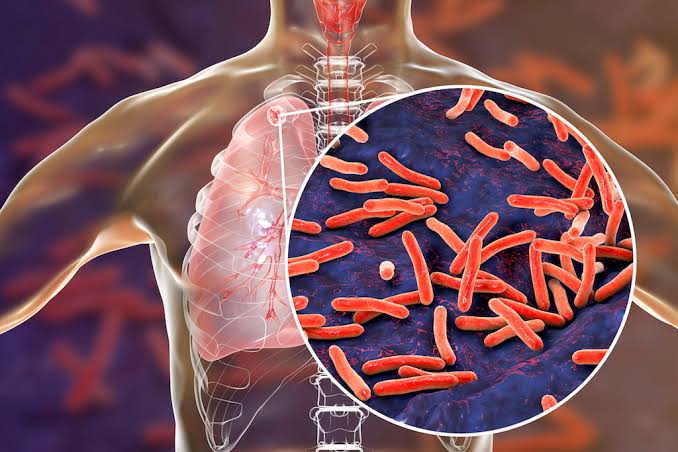
Tuberculosis is an infection that mainly affects the lungs. It spreads through the air when a person with TB coughs, sneezes, or even speaks. This means it can spread easily in shared spaces including offices, public transport, meetings, or any place with limited ventilation.
Many people with TB hesitate to seek help. Not because they don’t feel unwell, but because they are afraid.
"What will people think?"
“Will I be isolated?”
“Will I lose my job?”
So they stay quiet. They keep working. They keep pushing through.
TB is a medical condition, not a personal failure.
SIGNS YOU SHOULD NOT IGNORE
TB often starts quietly:
. A cough of any duration
. Night sweats
. Unexplained weight loss
. Persistent fever
. Fatigue
. Loss of appetite
It is easy to dismiss these as “just flu” or “just stress.”
When TB is not treated early, it continues to damage the lungs.
Over time, patients may develop severe breathing difficulty, permanent lung damage, coughing up blood. The infection can also spread to other parts of the body like the brain, spine, or kidneys and in advanced cases, it can become life-threatening.
WHY WORKPLACES SHOULD PAY ATTENTION
We spend a significant part of our lives at work. Shared offices, meetings, and indoor environments can increase the risk of TB transmission especially where ventilation is limited.
This is something we are still seeing quite often, especially in busy workplaces where people push through illness instead of taking time to get checked.
That is why workplace health screening is not just a benefit, it is a necessity.
Early identification protects employees, prevents spread, promotes a healthier workforce and reduces long-term healthcare costs
Treatment is available and effective when taken consistently for the recommended duration.
With proper care patients recover and return to normal life. They improve significantly once they start treatment and stick to it. The key is starting early and staying consistent.
Support, not stigma, is what helps people heal.
If you have symptoms, get checked.
If you know someone who does, please encourage them.
Stay informed, take care of your health, and see you on the next article.
Dialysis remains one of the most remarkable life-sustaining interventions in modern medicine. Every day, across Kenya, it preserves life, restores balance, and gives patients a fighting chance against the progression of kidney failure. At the center of this life-saving work are renal doctors who are skilled, committed, and carrying the immense responsibility of guiding patients through one of the most demanding treatment journeys in healthcare.
Read More →At a dialysis center in Nairobi (Fortis Kidney Center), Christine – tended to patients resting in hospital beds, some too sick to be transferred to a chair. Mary arrived in wheelchairs or walked with canes, their bodies weakened from kidney disease.
Read More →