

At a dialysis center in Nairobi (Fortis Kidney Center), Christine – tended to patients resting in hospital beds, some too sick to be transferred to a chair. Mary arrived in wheelchairs or walked with canes, their bodies weakened from kidney disease. As she hooked them up to dialysis machines, Christine, a nurse practitioner, was struck by how young many of her patients were.
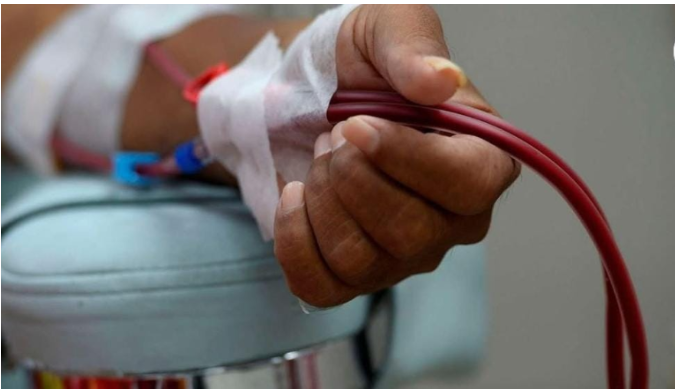
The majority of the patients that you would see in a typical outpatient center are 60+ years she said. With these patients, some of them were in their 20s and 30s and 40s. The fact that they were really significant portion of the population was really startling.
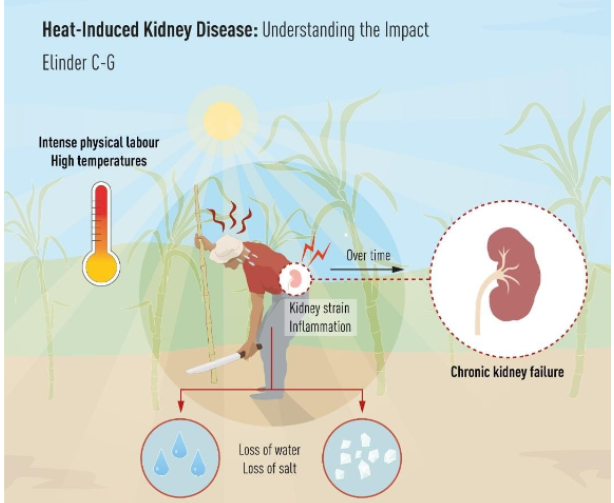
Christine did a study on the work histories of these portions. Mary had labored in roofing or agriculture where they were exposed to harsh chemicals and extreme heat. The study suggested that in a warming climate, people working in heat stressed environment may be at ever greater risk of kidney disease.

While extreme heat exposure is commonly associated with acute emergencies like heat stroke, researchers are finding it can also contribute to longer team health problems like heart disease, cognitive impairment, and kidney failure.
Where the body is exposed to extreme heat, the cardiovascular system goes into overdrive to keep the body at a safer temperature. Overtime, experts say these functions take a toll on organs like the heart and kidney, especially for people who exert themselves outdoors. In recent years, young people have been showing up at dialysis centers with severe kidney damage and none of the typical risk factors such as diabetes, autoimmune disease or severe high blood pressure.
It’s still unclear whether heat is the primary cause of the illness in otherwise healthy young people or if other factors like pesticides, contaminated water, or the use of painkillers are also contributing, researchers say.
“But I do think that dehydration is one of the biggest players along with heat exposure – the high ambient heat that they are exposed to and working really hard,” Dr George Morara Moturi a, nephrologist at Fortis Kidney Center said. Kidneys filter the flood, removing waste and excess fluids from the body. But heat exposure and dehydration can decrease blood flows to the kidneys, depriving them oxygen, causing them to become inflamed and break down muscle tissue, releasing certain enzymes that can injure the kidneys.
Although fluid consumption is important for kidney patients, Dr. Morara emphasizes that this situation is the opposite for people undergoing dialysis and listed his warning for the group of patients as follows; “We normally recommend fluid restriction in patients due to lack of urine output in many of our dialysis patients because if too much fluid is taken, hypertension and heart problems may occur due to excess fluid accumulated in the body. In addition, we recommend that that these patients do not go eat too much at high temperatures and we loosen the fluid restriction a little.
Since the immune system is suppressed our kidney transplant patients should make sure the water they drink is clean and safe. We also do not want our patients to stay in to sun or heat for long periods.
Dialysis remains one of the most remarkable life-sustaining interventions in modern medicine. Every day, across Kenya, it preserves life, restores balance, and gives patients a fighting chance against the progression of kidney failure. At the center of this life-saving work are renal doctors who are skilled, committed, and carrying the immense responsibility of guiding patients through one of the most demanding treatment journeys in healthcare.
Read More →Tuberculosis is still with us quietly affecting individuals, families, and workplaces. Learn the early signs, how it spreads, and why getting checked early can protect both you and those around you.
Read More →